REVIEW · RHODES
Rhodes: Kamiros, Embona, Mt. Profitis Ilias & Kallithea Tour
Book on GetYourGuide →Operated by Kariba Travel · Bookable on GetYourGuide
One bus day, and Rhodes suddenly makes sense. This guided loop strings together Ancient Kamiros, the Venetian Kritinia Castle, Embona’s oldest winery stop, forest views at Profitis Ilias, and a swim-or-sit moment at Kallithea Springs—all with hotel pickup and drop-off. What I really like is the mix of big sights plus smaller, local-feeling stops, and how the guide ties each place to what was happening on the island. One thing to watch: the schedule is fast, and the bus can feel full, so you’ll want comfy shoes and realistic expectations about time at each stop.
I’m also a fan of how this route covers parts of Rhodes you’d miss if you only stick to the coast. You get guided time at the ruins and viewpoints, tasting and shopping time in Embona, and a clear “this is why it matters” explanation at religious sites like the Saint Nikolaos church. The main trade-off is that Kallithea Springs is right at the end of the day, so it can feel rushed if you’re hoping for a long beach-style hang.
In This Review
- Key highlights worth planning for
- Rhodes by bus: what an 8-hour loop actually delivers
- Pickup and the bus ride: comfortable enough, but plan for a full vehicle
- Ancient Kamiros: walking a city built on three levels
- Kritinia Castle: Venetian walls plus a chapel with wall paintings
- Embona’s oldest winery stop: taste, shop, and reset for lunch
- Profitis Ilias in the pines: the 1929 Italian mountain setting
- Saint Nikolaos at Fountoukli: short stop, strong art payoff
- Kallithea Springs: restored mosaics, healing waters, and a swim window
- Budgeting beyond $53: entrances and what you’ll likely spend
- What to bring and how to plan your day
- Should you book the Rhodes: Kamiros, Embona, Profitis Ilias & Kallithea tour?
- FAQ
- How long is the Rhodes tour?
- What’s included, and what costs extra?
- Are there entrance fees for the stops?
- Is swimming available at Kallithea Springs?
- Where do pickup and drop-off happen?
- What should I bring for the day?
Key highlights worth planning for
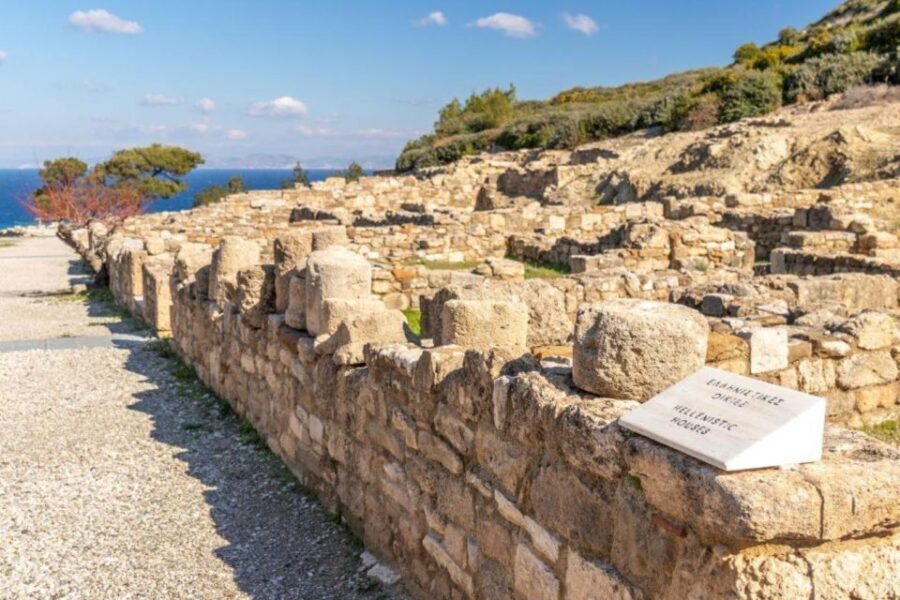
- Kamiros in layers: a city built on three levels, including the Acropolis-temple area for Athena
- Kritinia Castle views: Venetian-era walls, coats of arms, and a hidden chapel with wall paintings
- Embona winery tasting: wine plus olive oil and ouzo, with time for village snacks and souvenir shopping
- Profitis Ilias forest stop: pine, cedar, and cypress, plus the 1929 Italian-era mountain hotel area
- Fountoukli’s Saint Nikolaos frescoes: a short but meaningful Byzantine church visit
- Kallithea Springs: restored complex, mosaics, and swimming in the coves if the water works for you
Rhodes by bus: what an 8-hour loop actually delivers
This is the kind of day trip that works when you want variety but don’t want to drive. In eight hours, the tour moves you from west-coast ancient ruins to inland viewpoints, then back toward the sea with a stop at a restored spa complex. It’s not a slow “one place, all day” tour. It’s more like a smart sampler plate—each stop gives you a strong taste of Rhodes, even if you can’t linger forever.
Where the value really shows up is in the range of eras in one day: Greek antiquity at Kamiros, Venetian rule at Kritinia, religious art at Fountoukli, Italian mountain architecture at Profitis Ilias, then Roman-era style engineering at Kallithea Springs. If you’re learning the island for the first time, this order helps your brain connect the dots instead of just collecting photos.
More Anthony Quinn & Bay Cruises in Rhodes
Pickup and the bus ride: comfortable enough, but plan for a full vehicle
Pickup and drop-off are handled through lots of hotel options, which is a big deal if you’re staying outside the Old Town. You’re told to be ready around five minutes before the pickup time, so I’d keep your morning routine tight—snack and water first, phone charged, and shoes on.
The ride itself seems to vary by departure size, but some bookings describe the bus as filled to capacity, with limited legroom (especially if you’re seated at the back). That means: bring patience for mountain roads, choose your seat if you can, and don’t count on working comfortably during transfers. One trick: keep a light layer handy. Even in warm months, buses can swing between hot and cool.
Ancient Kamiros: walking a city built on three levels
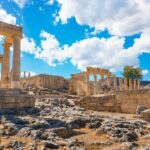
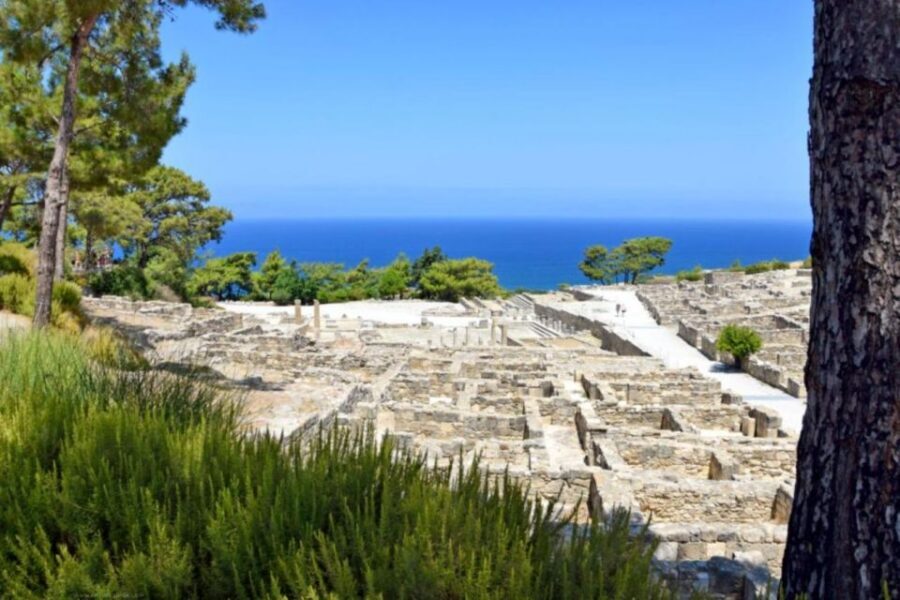
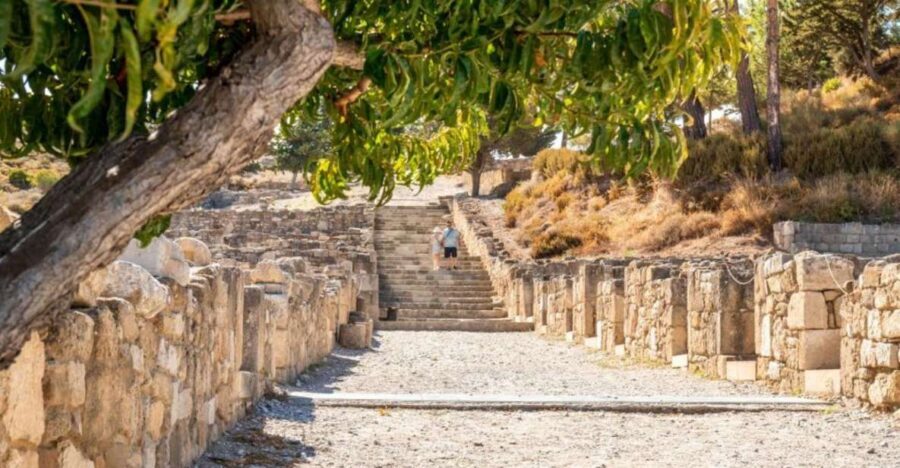
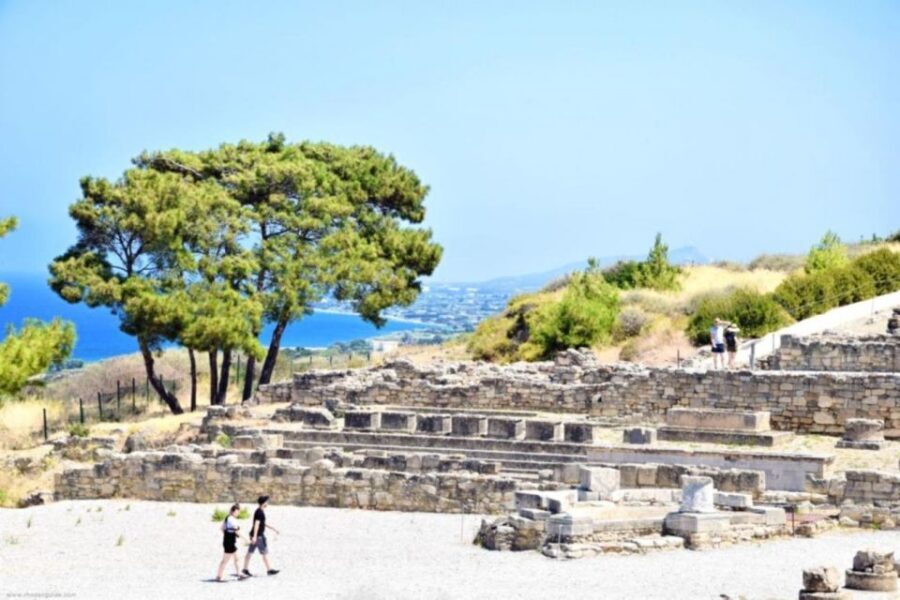
If your Rhodes plans include ancient ruins, Kamiros is the stop that most directly delivers “I get it now” moments. This ancient city sits on the northwest coast and was built across three levels, with the Acropolis area above and residential blocks stepping down below. You’ll get a guided walk plus free time, so you can do both: follow the story, then wander at your own pace with a better sense of what you’re looking at.
The Acropolis includes a temple complex dedicated to Athena, which helps frame why the site is more than just scattered stones. A guided explanation also covers the city’s earlier roots and how different Greek groups shaped what came after. Expect a solid chunk of time here (about 75 minutes total), which is enough to see the big layout without sprinting the whole time.
One practical note: Kamiros has an entrance fee. The data you’ll want to budget for is around 6 euros, but one set of bookings reported €10, so I’d carry cash just in case the fee at your exact visit is higher.
Kritinia Castle: Venetian walls plus a chapel with wall paintings
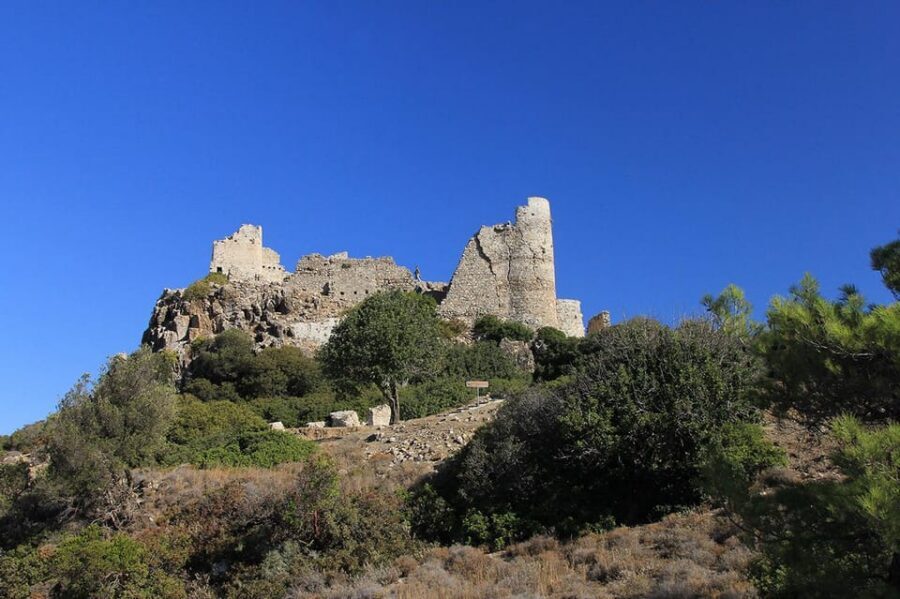
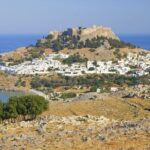
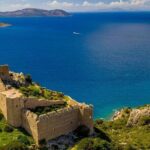
After Kamiros, the tour heads to Kritinia Castle, a fortress that sits up high above the village. You’re visiting what’s described as a 16th-century Venetian structure, with surviving shell walls and coats of arms from Grand Masters. The big payoff is the view—this is the sort of place where you can look out and instantly understand why this site mattered.
What I like about this stop is the contrast: you’re not just photographing a backdrop. You’re also seeing the remnants of medieval power and organization, and there’s even mention of a hidden chapel with 16th-century wall paintings. That kind of detail is the difference between a castle “for pictures” and a castle that feels like a lived-in setting.
Time is about 40 minutes including the guided portion and your free moments. If you’re hoping to climb for your best angle, I’d treat the climb as part of the experience, not something to rush at the end. Crowds can slow things down in tight stair-and-landing areas, so sturdy shoes matter more than you’d think.
Embona’s oldest winery stop: taste, shop, and reset for lunch
Embona is where the tour slows down emotionally. You leave the ruin-and-fort pace and go toward something more social: a village setting tied to wine and olive cultivation. The winery visit is described as Rhodes’ oldest winery, with tasting that can include wine and olive oil, plus ouzo and other local options during the tasting stop.
This is also where you can buy something real. The tour includes time for souvenir shopping, and Embona’s small shops tend to be more manageable than in the big tourist centers. If you want a bottle of something local or small gifts that won’t feel mass-produced, this is the easiest place on the day to do it.
Food-wise, the schedule includes a lunch stop with free time around the area. One booking notes there’s no forced group lunch and that you can get an à la carte meal at a local tavern. Still, expect time to be measured. Some people felt the lunch window could be short if you want to wander the village after eating.
More Hiking & Nature Walks in Rhodes

Profitis Ilias in the pines: the 1929 Italian mountain setting
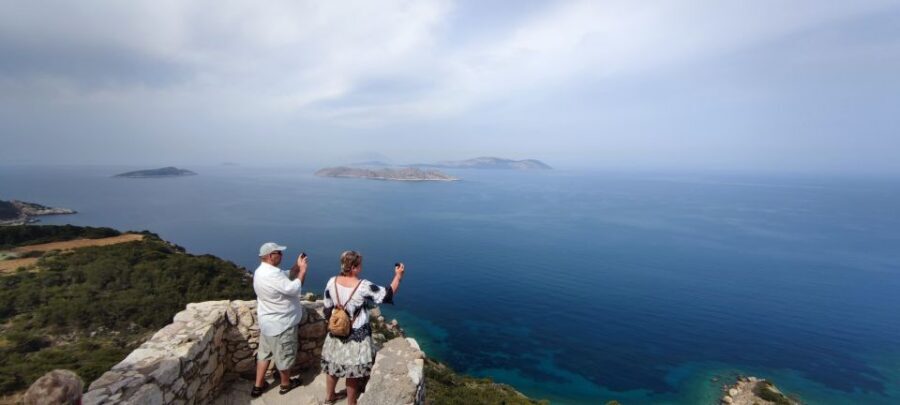
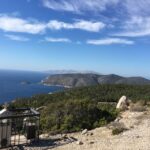
Next comes a mountain change of scenery at Profitis Ilias. Instead of cliffs or ruins, you get forest air—pine, cedar, and cypress trees are specifically mentioned. You’ll make the summit, and along the way the bus stop includes scenic viewpoints.
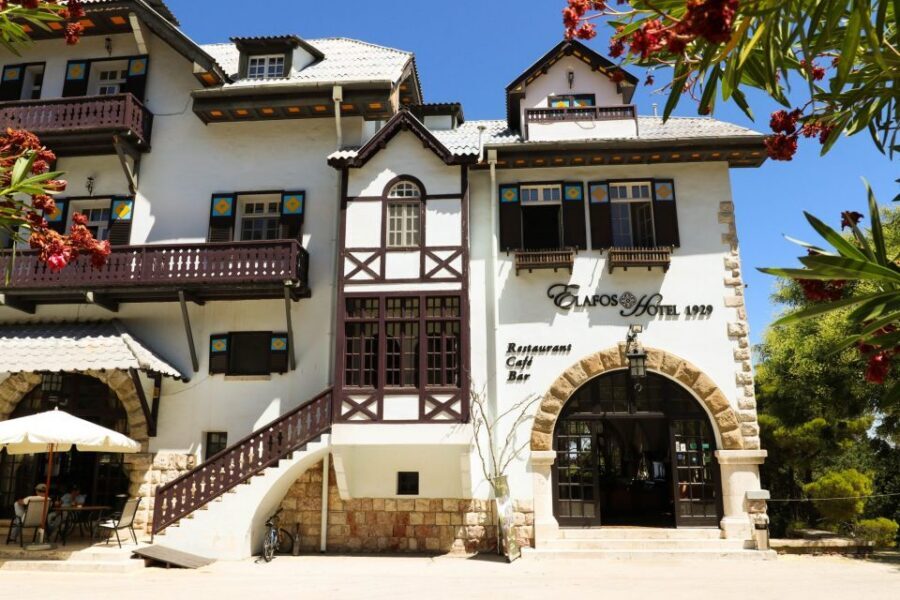
The standout detail here is the Italian-era summer resort area created in 1929, described as Elafos and Elafina. Even if you’re not an architecture enthusiast, it’s fun to see how outside influences left physical marks here on the island. The hotel area is in the forest, so you’re seeing Rhodes as something more than just beaches and old stone streets.
The actual stop time is shorter (about 20 minutes noted for the Profitis Ilias portion), so this is a “stand, look, photograph, breathe” stop. Go with the right goal. You’re not meant to hike for hours here.
Saint Nikolaos at Fountoukli: short stop, strong art payoff
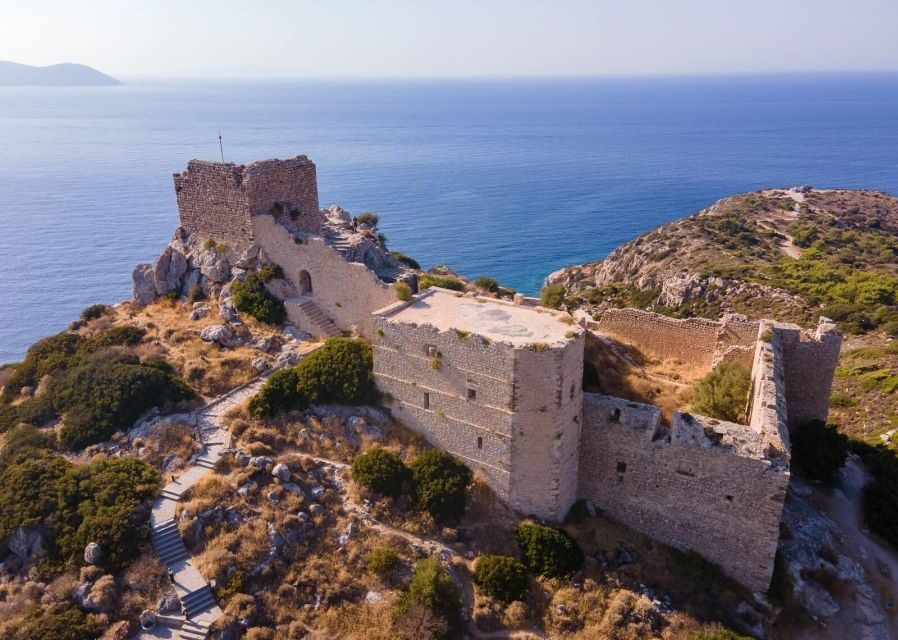
At Agios Nikolaos Fountoukli, you’ll visit a Byzantine church with frescoes. The time is brief (about 20 minutes), but the payoff is that this is the kind of place where the guided talk can help you notice details you’d otherwise miss. Byzantine churches can look similar at a distance, so guidance matters—especially when you’re looking for how the artwork connects to the setting and era.
This stop also helps the day feel less like a checklist. It gives you a pause from castles and wine and returns you to the human side of Rhodes: worship spaces, paintings, and community storytelling.
If you want to maximize this kind of stop, keep your camera ready but don’t ignore what the guide is pointing out. Frescoes reward attention.
Kallithea Springs: restored mosaics, healing waters, and a swim window
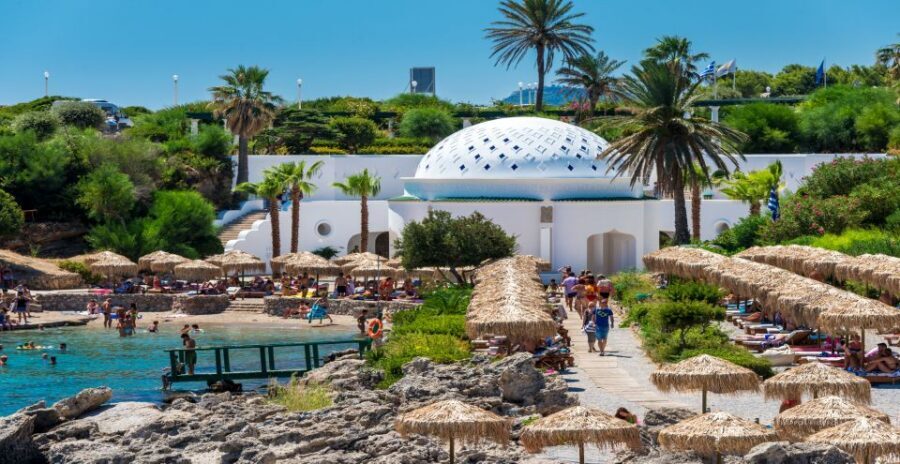
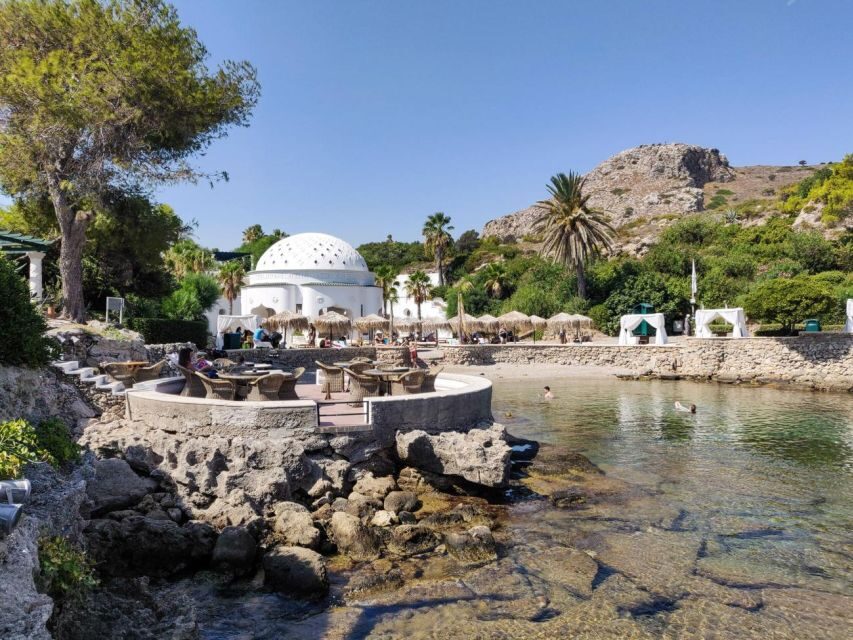
The final major highlight is Kallithea Springs, a restored complex built around ancient healing waters. The description calls out monumental architecture and unique mosaics, plus a “by the sea” refreshment vibe during free time. This is where you get the most relaxing moment of the day.
You also have the option to swim in the coves, and the tour time here is about an hour total with guided time mixed in. I’d treat it as a flexible plan: if you’re visiting in cooler months, you may find the water too cold. Some bookings specifically mention being unable to swim because temperatures were not ideal.
Also, Kallithea is at the end. Some people felt the timing works against longer time elsewhere, since you’re already near the return point. Still, if you’ve never seen Kallithea’s seaside spa layout and mosaics, the stop gives you a different Rhodes rhythm—more open, more relaxed, and very photogenic from multiple angles.
An entrance fee applies here as well, noted as 3.00 euros per person. Bring cash so you’re not hunting for an ATM while everyone else is ready to move.
Budgeting beyond $53: entrances and what you’ll likely spend
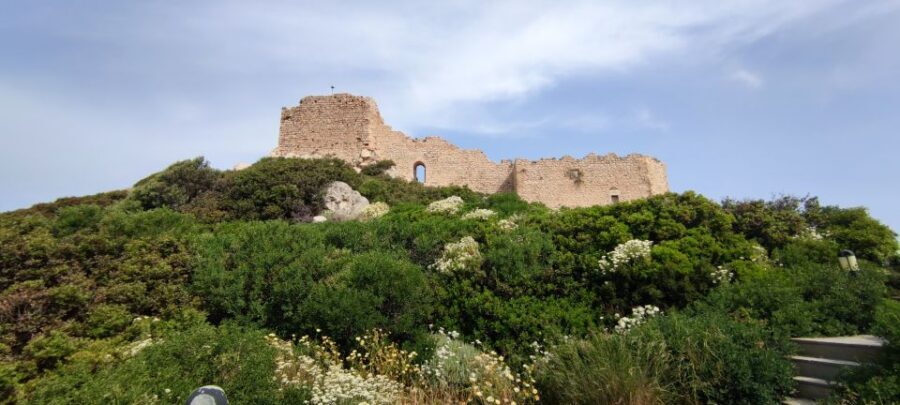
The headline price is listed as about $53 per person, and that gets you the big logistics: hotel pickup and drop-off, a guide, and bus transportation. Food and drinks are listed as not included, and entrance fees are not included.
For your budget, the clearly stated entrance fees you can plan for are:
- Kamiros: about 6 euros (some bookings reported €10)
- Kallithea Springs: 3.00 euros
For the rest, costs are more variable. Embona includes a winery tasting and village time, and you may want to buy lunch, snacks, and souvenirs. If you’re strict about spending, you can treat Embona as a tasting-and-walk stop and skip extra purchases, then keep lunch simple.
The value question to ask yourself is this: do you want eight hours of guided time across multiple major sites without a rental car? If yes, this format often beats the stress of self-driving plus the cost of admission you’d pay anyway.
What to bring and how to plan your day
This tour asks you to do a lot in one day, so packing matters more than usual.
Bring:
- Passport or ID card
- Comfortable shoes (you’ll walk at multiple sites)
- Sunglasses and a sun hat
- Swimwear and a towel if you want the Kallithea option
- Camera
- Cash for entrance fees and extras
If you’re the type who hates feeling rushed, keep your expectations realistic. The day moves from stop to stop with bus transfers between them, and the time allocations are not huge. Use the “free time” at each stop for what you actually care about: photos, a short walk, and a quick bite. Don’t plan to do ten things at once.
For the best experience, decide your priorities before you go. Want the ancient ruins? Give Kamiros your full attention. Want a view? Treat Kritinia as your photo anchor. Want a lighter moment? Save your energy for Kallithea.
Should you book the Rhodes: Kamiros, Embona, Profitis Ilias & Kallithea tour?
Book it if you want a guided day that connects multiple Rhodes eras in a single route—ancient ruins, a Venetian fortress, Byzantine frescoes, Italian-era mountain architecture, and a seaside springs stop. It’s especially worth it if you don’t want to drive and you like the idea of learning as you go, rather than just chasing landmarks on your own.
Skip it or adjust your expectations if you’re sensitive to cramped seating on full vehicles, or if you hate tight time windows and prefer to linger. Also, if you’re traveling in colder months and swimming is a must, know that water temperature can make the Kallithea swim plan a bust.
If your goal is a smart, varied overview of Rhodes in one day, this tour is a practical fit.
FAQ
How long is the Rhodes tour?
The duration is listed as 8 hours.
What’s included, and what costs extra?
Included are hotel pickup and drop-off, a guide, and transportation by bus. Entrance fees and food and drinks are not included.
Are there entrance fees for the stops?
Yes. Kamiros is listed with an entrance fee of 6 euros, and Kallithea Springs is listed as 3.00 euros per person.
Is swimming available at Kallithea Springs?
Kallithea Springs free time includes the option to swim, and the tour asks you to bring swimwear and a towel. Some bookings note that swimming may not be possible in cooler weather.
Where do pickup and drop-off happen?
The tour offers pickup and drop-off at many listed hotel and other locations, with transfers designed to bring you near where you’re staying.
What should I bring for the day?
Bring passport or ID, comfortable shoes, sunglasses, a sun hat, swimwear, a towel, a camera, and cash.