
REVIEW · RHODES
Honey production &Tasting experience ” Areti Honey “
Book on Viator →Bookable on Viator
A bee workshop with real hands-on honey. At Areti Honey in Rhodes, you meet producer Areti and see the honey production process from frames to jars, plus you get bees up close inside their apiculture setup. It’s the kind of small-scale place where the story stays attached to the product.
I particularly like the family-driven teaching style. Areti (an agronomist and producer) works with her mother and brother, and you can feel that they’ve been doing this for generations—without turning it into a lecture.
The honey tasting is the other big win. You’ll sample different floral types (including thyme, forest, flower, pine, and heather), and the menu notes that what’s available can change by season. One consideration: since it’s a close-up bee experience, bee allergy info matters—bring it up before booking if you’re concerned.
In This Review
- Key things to know before you go
- Areti Honey in Rhodes: the 90-minute experience that feels like a real workshop
- Meeting Areti and her family: why the personal welcome matters
- From beehives to jars: what you’ll actually see during honey production
- The honey tasting menu: thyme, forest, flower, pine, heather, and more
- Fresh honey from the honeycombs: why that sample hits different
- Tea, coffee, and honey delicacies: the slow part that makes it feel special
- Where the value really comes from: a practical look at the price
- Timing and location: how to plan around a 1:00 pm start
- Who should book Areti Honey (and who might skip it)
- Should you book Areti Honey?
- FAQ
- How long is the Areti Honey honey production and tasting experience?
- Where does the tour start?
- What time does it start?
- Is this experience offered in English?
- Is it a private tour?
- What can I expect to see during the honey production portion?
- What kinds of honey are included in the tasting?
- Is honey tasted from honeycombs?
- Is there free cancellation?
- Are service animals allowed, and what about allergies?
Key things to know before you go
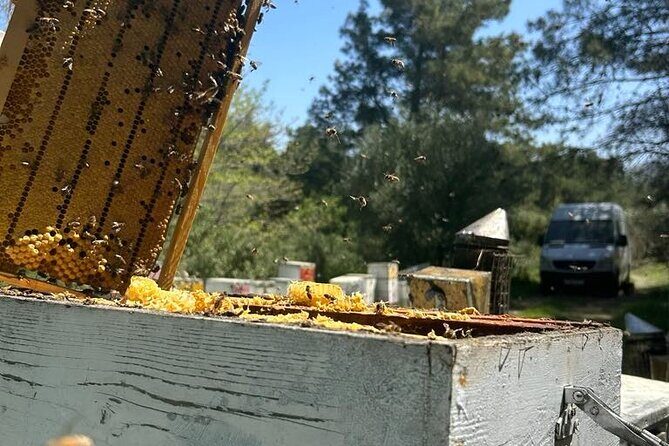
- Meet Areti in person and hear how she and her family handle beekeeping and honey making
- See honey from comb to jar as they explain the full workflow
- Taste multiple floral honeys tied to Rhodes vegetation, not just one generic sample
- Try honey fresh from the honeycombs (a great way to compare flavors)
- Sip tea or coffee with honey treats during a relaxed Q-and-A-style chat
Areti Honey in Rhodes: the 90-minute experience that feels like a real workshop
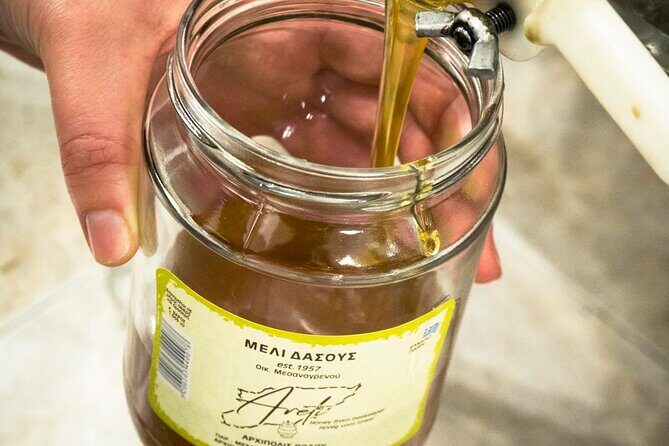
If you want your Rhodes trip to be more than ruins and views, this is a sweet pivot. Areti Honey is built around one focused idea: show you how local honey actually gets made, then let you taste the results in a way that makes sense. The whole visit runs about 1 hour 30 minutes, so you’re not committing an entire half-day.
This isn’t a big coach-tour setup. It’s private, meaning it’s just your group. That matters because beekeeping questions tend to get personal—how they handle the process, why certain honeys taste different, and what the bees need. When you’re not sharing the guide with strangers, the answers land better.
You’ll also go in with one clear advantage: the experience is offered in English, and you use a mobile ticket. That keeps things simple on arrival.
Other food & drink experiences in Rhodes



Meeting Areti and her family: why the personal welcome matters
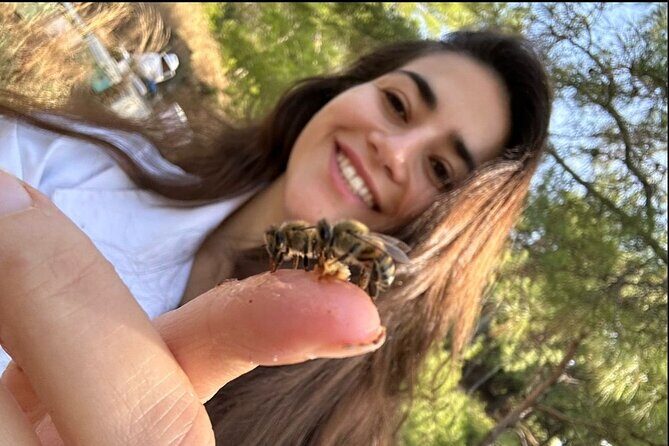
From the moment you arrive, the tone is warm and human. The reviews highlight that you’re greeted by Areti herself, and the experience is carried by her mother and her brother too. That isn’t a marketing detail—it changes how the visit feels. You’re not watching a slideshow. You’re talking with people who do the work.
What I like about the way they teach is that it’s practical. You’re shown the process, then you taste. That pairing helps you understand the product instead of just buying it.
You’ll also get a close look at their apiculture workshop, which is where the magic is mostly happening. Seeing the tools and space gives context. Honey production isn’t just “bees make honey.” It’s a chain of handling, packaging, and careful work that turns raw materials into something you can spoon at home.
If you’re the type who likes to travel by learning one craft properly—this fits.
From beehives to jars: what you’ll actually see during honey production
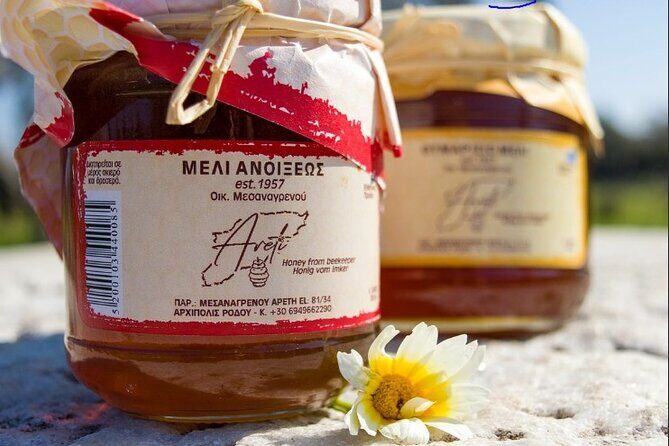
The core promise here is straightforward: you’ll be guided through honey production from the beginning to final packaging in jars. That’s rare in short tasting experiences. Many tours focus on the tasting and only hint at production. Here, you get the full flow explained.
Here’s what that means in real terms as the visit unfolds:
- You start by understanding the beekeeping side—how the workshop and honey world work in practice.
- Then you move into the production steps: what happens to honey after it’s collected, and how it becomes a product ready for sale.
- Finally, you see the packaging side, so you can connect the jar on the shelf to the work behind it.
One of the most useful parts is the clarity. When someone with family beekeeping experience walks you through the steps, you pick up the logic fast. Even if you know nothing about beekeeping, you’ll leave with a mental map of the process.
And if you’re a hands-on learner, the workshop setup helps. Seeing equipment and learning the workflow makes it easier to picture how honey changes from hive life to store-bought jar—without needing any technical background.
The honey tasting menu: thyme, forest, flower, pine, heather, and more
Tasting is where this experience earns its keep. The menu includes an organic honey theme plus a lineup of floral types such as:
- Thyme honey
- Forest honey
- Flower honey
- Pine honey
- Heather honey
It also notes that every season offers different types. That’s a big deal for value because you’re tasting something that isn’t frozen in time. It’s tied to what the bees have access to during the season you visit.
One review specifically mentions tasting thyme and agave as part of the variety. Even if the exact lineup shifts, the consistent point is that you’re getting multiple honeys—not just two samples and a polite goodbye.
The tasting experience is more than “try this, try that.” The real value is comparison. When you taste different floral sources, you start noticing how aroma and sweetness balance can change. That makes you a smarter shopper later. You’re not just buying the brand you recognize—you’re buying a flavor profile you actually understand.
Fresh honey from the honeycombs: why that sample hits different
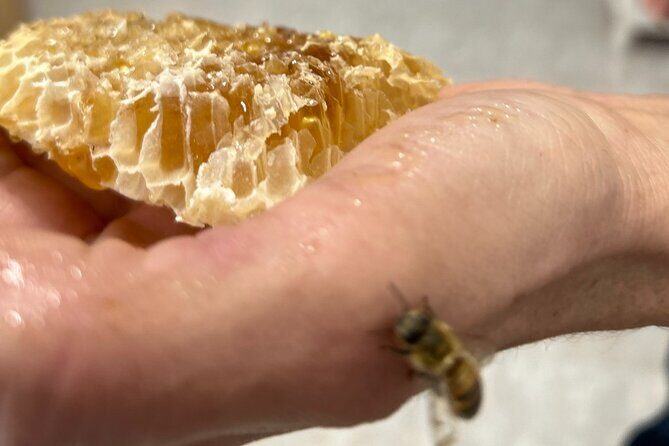
You’re not only tasting jars. You’ll also taste honey directly from the honeycombs. That changes everything.
Jar honey has already been handled and processed into a consistent product. Honey straight from the comb is more raw in feel and aroma, and it often comes across as more immediate—like you’re tasting the source, not just the final product.
This is also a great way to understand why people keep beekeeping products around. If you care about texture, aroma, or that “real food” sensation, this part tends to be memorable.
It’s also useful for making purchase decisions. If you know you love the comb flavor, you’ll likely pick honeys that match that punchy style. If you prefer smoother jar honey, you’ll know that too.






Tea, coffee, and honey delicacies: the slow part that makes it feel special
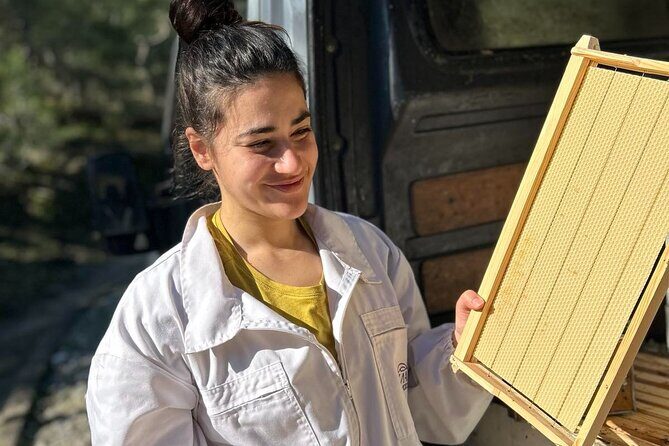
After the production talk and the main tasting, the experience includes tea or coffee with honey delicacies. This is a quiet but important part. It gives you time to settle, ask questions, and connect the flavors to the story you just heard.
This is also where the visit stops feeling like a “stop” and starts feeling like a chat with people who care about their craft. In one review, the group described the family’s passion for bees and the company that their father, mother, and grandparents started. Even if you come in expecting a quick tasting, this kind of atmosphere makes the hour feel longer—in a good way.
If you’re traveling with a partner or small group, this break helps. You’ll remember the flavors more because you’re not rushing.
Where the value really comes from: a practical look at the price
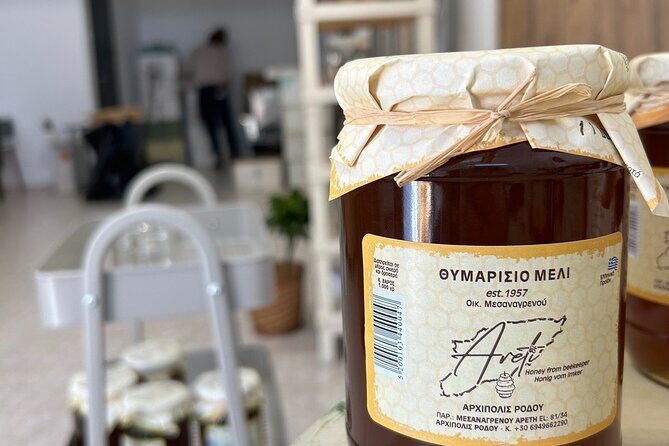
The price is listed at $68.64 per person for about 1 hour 30 minutes. That’s not “cheap.” But it can be good value for the right traveler, for a few reasons you can feel immediately:
- It’s a private experience. You’re paying for your group’s time and attention, not for a crowded schedule.
- You get more than tasting. You’re shown the production path and packaging process, not just served samples.
- The tasting variety is real. Thyme, forest, pine, heather, and seasonal changes mean you’re sampling multiple floral types. That’s more useful than a single honey comparison.
- You get fresh-comb tasting. That one element usually costs extra in other honey-focused experiences because it adds time, handling, and care.
If your idea of value is purely cost per taste sample, you might hesitate. But if your idea of value is learning a craft and buying honey with confidence, this tends to make sense.
Also, since it’s in Rhodes and tied to local beekeeping, your purchase supports a local producer. If you’re the kind of traveler who brings home food gifts that actually taste like the place you visited, you’ll likely feel good about it.
Timing and location: how to plan around a 1:00 pm start
The meeting point is listed at Archipoli 851 06, Greece with the activity starting at 1:00 pm and ending back at the meeting point. The near public transportation note helps. Still, because it’s a workshop visit, I’d plan to arrive early enough to settle in and not feel rushed.
Since the experience is about 90 minutes, think of it as a planned “food and craft block” rather than a quick add-on. If you’ve got a packed day with a lot of walking, schedule this when you can handle an indoor/outdoor mix without stress.
Also note: service animals are allowed, and you’ll be working with real bees and beekeeping products. If you’re sensitive to allergens, you’ll want to take the bee allergy info seriously.
Who should book Areti Honey (and who might skip it)
This tour suits best if:
- You like food experiences with a production story
- You want to taste multiple local honeys tied to Rhodes seasons
- You enjoy meeting the people behind what you eat
- You prefer smaller, private formats
You might skip it if:
- You’re not interested in beekeeping or honey making at all
- You’re short on time and need something very quick
- You have concerns about bee allergies—this is a close-up experience, so it’s not the place to “wait and see”
One more practical tip: if you plan to buy honey, decide ahead of time what kind of flavors you enjoy (herbal like thyme, darker forest notes, pine or heather). Then taste with that in mind. You’ll buy smarter, and you’ll enjoy the honey later more.
Should you book Areti Honey?
My take: book it if you want a Rhodes souvenir that comes with context. The combination of seeing the honey production process, touring the apiculture workshop, and tasting multiple floral honeys makes it feel worthwhile for the price—especially because it’s private and focuses on real craft.
Skip or ask careful questions first if you have bee allergy concerns. This isn’t a distant tasting. You’re close to the bee world.
If you fall into the sweet spot—curious, food-minded, and happy to spend 90 minutes learning—Areti Honey is the kind of experience you’ll remember when you crack open the jar back home.
FAQ
How long is the Areti Honey honey production and tasting experience?
It lasts about 1 hour 30 minutes.
Where does the tour start?
The meeting point is Archipoli 851 06, Greece.
What time does it start?
The start time is listed as 1:00 pm.
Is this experience offered in English?
Yes, it is offered in English.
Is it a private tour?
Yes. It’s private, so only your group participates.
What can I expect to see during the honey production portion?
You’ll meet Areti and learn the honey production process from the beginning through final packaging of the honey in jars, plus you’ll tour inside the apiculture workshop.
What kinds of honey are included in the tasting?
The sample includes organic honey and varieties such as thyme, forest, flower, pine, and heather. The experience also notes that different honey types may be available by season.
Is honey tasted from honeycombs?
Yes, the experience includes tasting fresh honey direct from the honeycombs.
Is there free cancellation?
Yes, cancellation is free up to 24 hours in advance of the experience start time for a full refund.
Are service animals allowed, and what about allergies?
Service animals are allowed. The experience also specifically notes bee allergies, so it’s important to consider your allergy situation before booking.